Will I Actually Use a Video Studio If I Buy One?
Oct 29, 2026
You will if three things come with it: a setup that's ready the moment you sit down, a clear idea of what to say, and a fixed time each week that someone holds you to. Buy the equipment without the other two and the odds drop, because people who buy video gear on its own often leave it unused.
Key takeaways
- Whether you'll actually show up is the real risk in buying a studio, and it's a fair question to ask before you spend the money.
- Gear bought on its own often goes unused, because setting it up, deciding what to say and delivering it are still left to you.
- A setup that turns on with one button removes the first excuse, and Sam Moses and Linh Podetti both say that's what changed their habit.
- A fixed recording time with someone expecting you builds the habit: for Sonia Majkic, every Friday is content day.
- Before you buy, check your messaging, delivery and plan for where videos will live, not only the equipment.
Is it normal to worry you won't use it?
Yes, and it's the right thing to worry about. When people weigh up a studio with us, the doubt we hear most often is whether they'll keep showing up once it's on the desk. It comes up more than camera nerves. One business owner told us the equipment worried him far less than whether he'd actually show up and commit.
He had good reason to ask. Clients who bought gear independently before they came to us often left it unused. So the honest answer to "will I use it?" depends less on the studio and more on what comes with it.
Why does video gear end up unused?
Because buying it solves one problem and exposes three more. Chris breaks it into four steps:
- Tech. You unbox it and ask how it all works. Then you have to set it up and make it repeatable.
- Message. The next morning you're ready to record, and you realise you don't know what to say.
- Performance. You fumble the first word, go again, get to the last line and fluff it. Chris calls it the record, repeat, delete cycle, and two, three or four hours can go by with nothing to show for it.
- Publishing. If a video does get finished, you're unsure if it's any good, where to put it or what people will think, so it sits there.
Each step is another decision, and they stack up until stopping feels easier. Linh Podetti of Outsourcing Angel had this with her DSLR: she watched one YouTube tutorial to get the settings right and didn't dare touch anything after that. When another camera's settings went funny, she couldn't find the tutorial to put them back.
What makes people keep using a studio?
Three things come up again and again with the clients who use theirs.
It's ready the moment you sit down
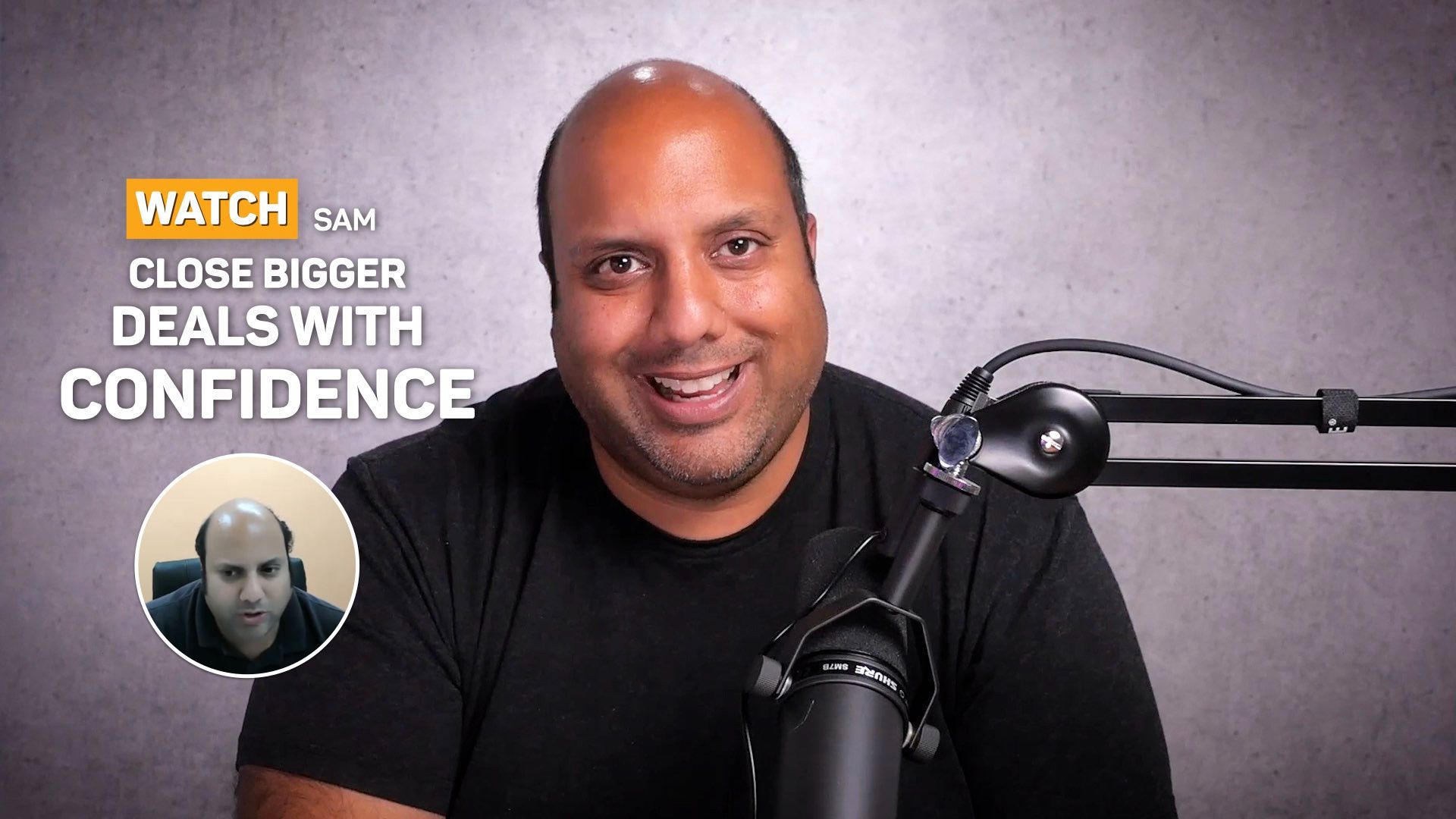
If recording starts with setting up lights and fixing settings, you'll find a reason not to. Sam Moses runs Sockrates and has a sales team at very different levels of tech skill, and they all use the same studio:
"The one button turn on, you know, I just turn it on... And it just looks good every single time." Sam Moses
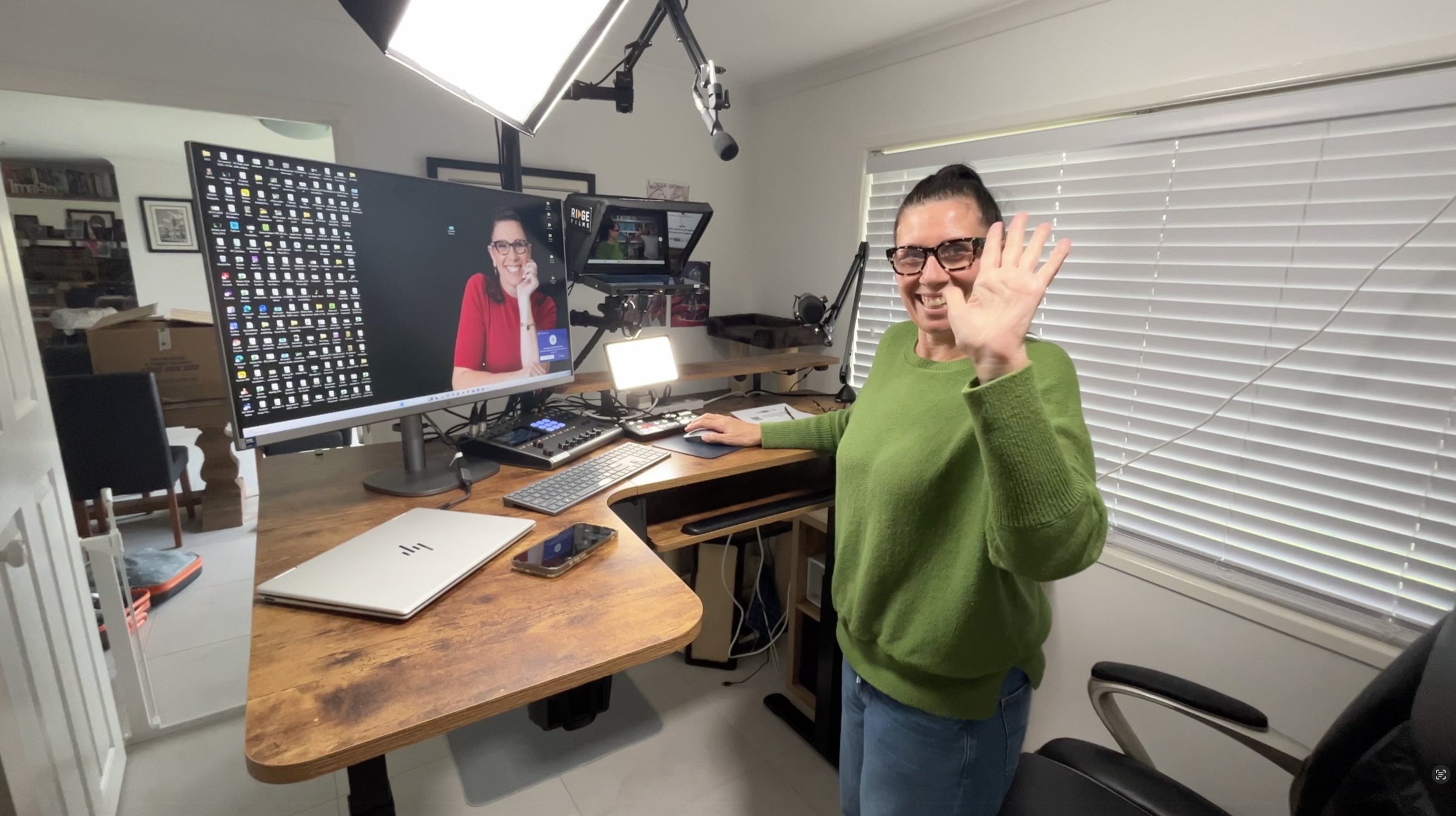
Linh found the same once her lights and settings stayed put:
"Pressing one button and all of a sudden everything's on was just so, um, convenient. So now I can shoot videos like that and it makes me less lazy." Linh Podetti
Her team now asks her to shoot something quick and can't believe she can just do it. Read how Linh grew her brand with a one-button studio.
You use it for something you already do every day
If you're on video calls for hours a day, you already have a reason to switch it on. Greg Gladman worked out he was on camera at least four hours a day, sometimes eight. Sam's team turns the studio on and goes into Zoom exactly as they would without it. A studio you sit in for every call never becomes a cupboard full of gear. Chris's advice is the same: switch it on once a day or once a week, or use it for your Zoom calls, and get familiar with being under the lights.
There's a fixed time, and someone expecting you
Sonia Majkic runs 3 Phase Marketing. Her habit started with accountability: when her equipment was first installed, she knew that every Friday at 11am she had to show up with her script ready. Now every Friday is content day, she tells her clients she'll deliver a masterclass each month, and video goes into her 90-day goals every time they're refreshed. These days, missing it feels wrong:
"I haven't recorded a webinar in three weeks, and I'm like scrambling going, oh my God, I need to get this done." Sonia Majkic
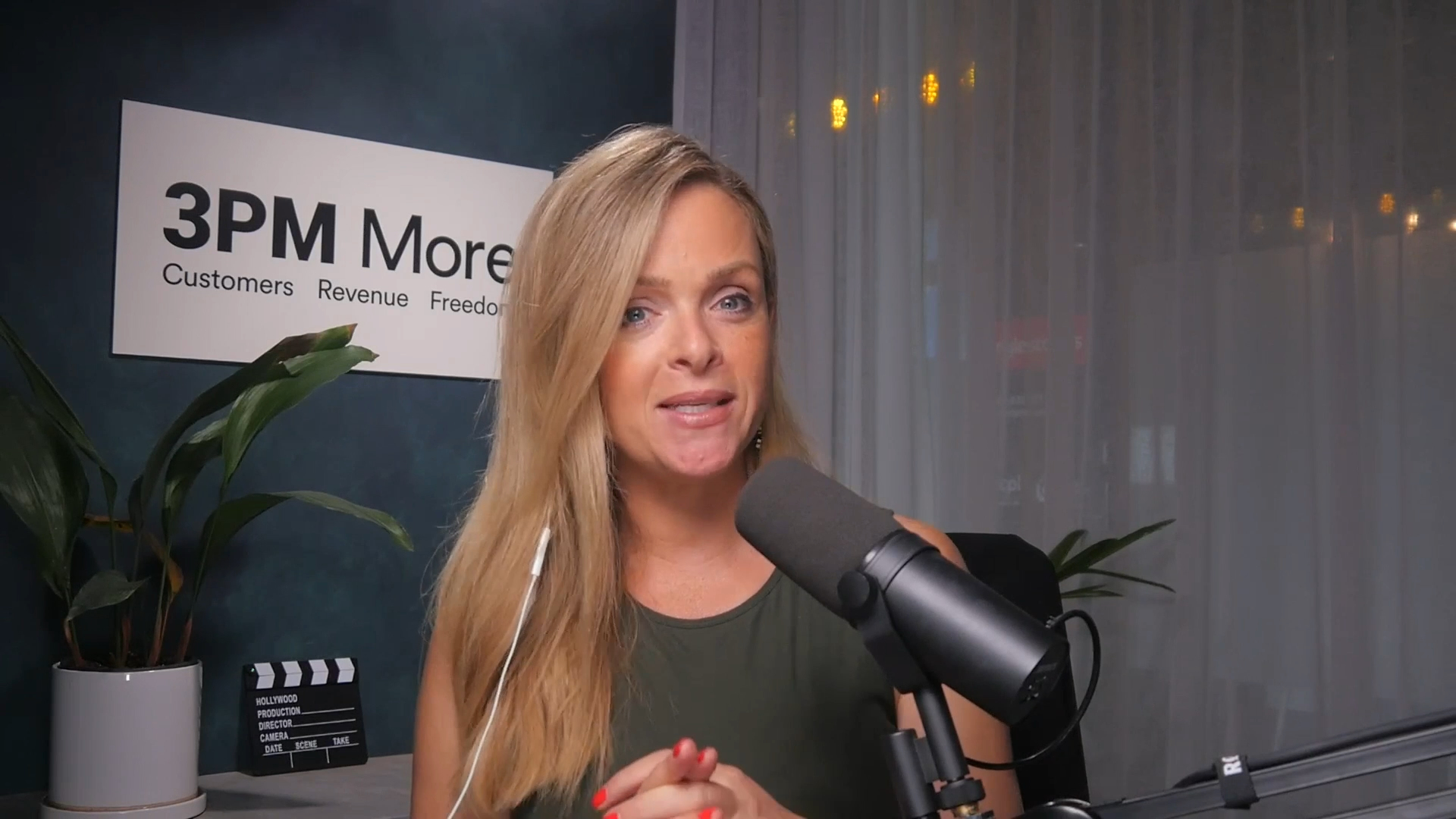
Read how one marketing leader ended her video delays.
How do you know if you'll actually use one?
Answer these honestly first.
- Are you on video calls most days? If yes, the studio earns its place before you record a single video.
- Can you name the first three videos you'd make? Who each one is for, what it should achieve, the one message, and where it will live. If you can't, start there.
- Is there an hour in your week you'd protect? And is there someone who'd notice if you skipped it?
- Is the real block how you come across? One professional told us in a session: "It's not procrastination. It's just knowing that who I am does not translate through the camera." Equipment won't fix that on its own. Coaching will.
If you said no to most of these, work on the habit before the kit. If you said yes, the setup is usually the last thing in the way. You can see what the Desktop Studio setup involves.
What happens in the first week after a studio goes in?
The tech is done on install day: lighting, sound, camera and teleprompter are set and stay set. From there Chris's priority is getting a first video written, recorded and published quickly, with questions answered on WhatsApp during the week. As he tells new clients, publishing a video doesn't set it in stone. And once a client commits to that first one, he knows they're serious.
Video studio questions we get asked
Why did I buy video equipment and never use it?
Usually because the equipment solved one problem out of four. You still had to set it up, work out what to say, deliver it without endless retakes and decide where to publish it, and together those stop many people before the first video goes out.
How do I make sure I actually use a studio once it's installed?
Use it for your everyday video calls so it's on most days anyway, set a fixed recording time each week, and tell someone who will notice if you miss it. Sonia Majkic made every Friday content day and told her team and her clients.
Is a desktop video studio worth it if I don't record videos often?
If you spend hours a day on video calls, you will use it every day for those alone. If you rarely go on camera and have no plan for what you would record, start with the plan before you buy anything.
How long does it take to record a video once the studio is set up?
Minutes, once the setup is ready when you sit down. Jason Howes says the ability to switch the camera on and do a really fast message within two minutes was one of the biggest impacts on his business.
Which of these sounds like you?
"I'd use it if it was ready to go when I sat down." That is what the Desktop Studio removes. Installed for you, one click to record.
"I'd have it, and still not know what to say." That is what Video Coaching is for: messaging, performance, tech and implementation, worked live every week.
"Honestly, both." Book a call and we will work out where to start.

Where to start
Desktop StudioInstalled for you. One click to record. Video CoachingMessaging, performance, tech and implementation, worked live every week.Two halves of one system. Book a call and we will work out where to start.